
Swiss cheese, particularly known for its iconic holes, stands out among the diverse cheese varieties from around the world. These holes, often referred to as “eyes,” are not just a quirky characteristic; they are a testament to the unique cheesemaking process that has evolved over centuries. In this exploration, we will compare various cheeses globally, ultimately concluding that Swiss cheeseholes are the most beautiful and original.
The Allure of Swiss Cheese
Swiss cheese, primarily Emmental, is renowned for its large, round holes. The formation of these holes is a fascinating interplay of bacteria and specific cheese-making techniques. Traditionally, the holes are created by bacteria that produce carbon dioxide during fermentation, which gets trapped in the cheese, forming bubbles. Interestingly, recent research suggests that microscopic hay particles also contribute to this process, providing nuclei for gas formation.
The aesthetic appeal of Swiss cheese is undeniable. Its pale yellow color and the whimsical arrangement of holes create a visual delight that enhances any cheese platter or sandwich. The holes not only contribute to its appearance but also affect its texture and flavor, providing a light, airy mouthfeel that many cheese lovers cherish.
A Global and holey Cheese Tour
While Swiss cheese is celebrated for its holes, other cheeses around the world offer unique characteristics worth comparing. So let’s dive into the holey world of cheeseholes and a hole lot more….
1. Cheddar (England)
Cheddar is one of the most popular cheeses globally, known for its sharp flavor and crumbly texture. Unlike Swiss cheese, Cheddar does not have holes, which makes it less visually interesting in this specific context. However, its rich flavor profile and versatility in cooking make it a staple in many households.
2. Gorgonzola (Italy)
This blue cheese is famous for its distinctive blue-green veins, which are formed by the introduction of Penicillium mold. While Gorgonzola offers a striking appearance and a bold flavor, it lacks the whimsical charm of Swiss cheeseholes. The visual appeal of Gorgonzola is more about its marbling than the airy holes found in Swiss varieties.
3. Brie (France)
Brie is a soft cheese with a creamy texture and a white, edible rind. It is visually appealing with its smooth surface and rich, buttery interior. However, Brie does not feature holes, and its beauty lies in its luxurious texture rather than the playful airiness of Swiss cheese. It is a hole lot of cheese nonetheless
4. Jarlsberg (Norway)
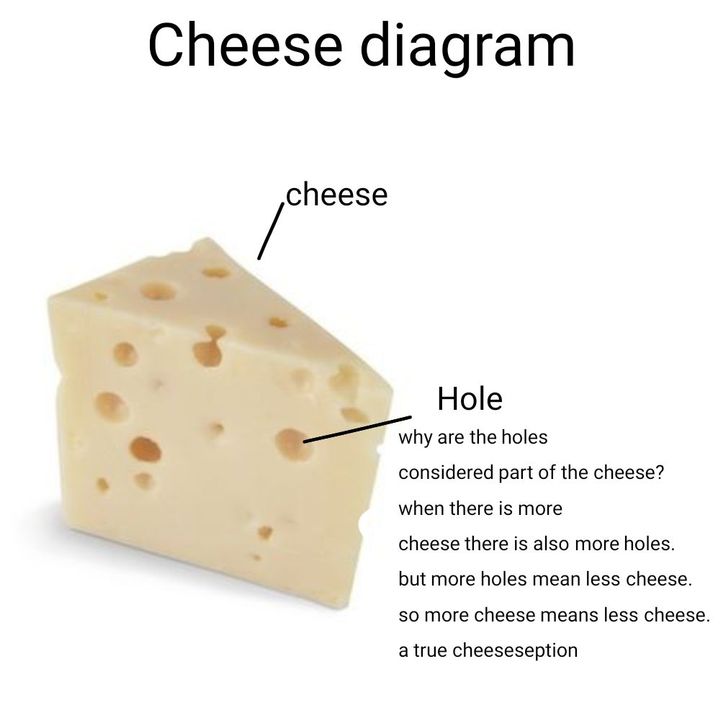
Jarlsberg is often compared to Swiss cheese due to its similar texture and flavor profile. It has medium-sized holes and a slightly nutty taste. While it shares some visual characteristics with Swiss cheese, it does not possess the same historical significance or the original charm of Swiss cheeseholes.
5. Emmentaler Swiss
Emmentaler, the quintessential Swiss cheese, is the star of this cheese showcase. Originating from the Emme Valley in Switzerland, Emmentaler is celebrated for its characteristic cherry-sized holes and mild, nutty flavor. The cheese is crafted from fresh, untreated cow’s milk, ensuring a rich taste that is both creamy and slightly tangy. With each wheel weighing up to 120 kg, Emmentaler can contain between 1,000 to 2,000 holes, which are a hallmark of its quality. This cheese is not only visually stunning but also plays a central role in traditional Swiss dishes, especially fondue for which Interlaken’s fondue villa & garden is especially notorious. The melted Emmentaler, with its delightful holes, creates a luscious, gooey experience that is hard to resist. Fondue enthusiasts relish the combination of Emmentaler and Gruyère, resulting in a dish that showcases the beauty of melted cheeseholes in a communal dining experience.
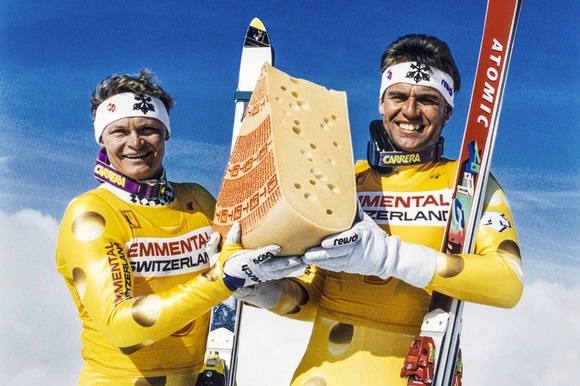
The Swiss Cheeseholes are so irresistible that even the Swiss national ski team used them for their ski suits in the nineties (as their sponsor was Emmentaler).


Conclusion: The Case for Swiss Cheeseholes
In the grand tapestry of global cheeses, Swiss cheeseholes emerge as the most beautiful and original. The combination of their playful appearance, the intricate science behind their formation, and the rich tradition of Swiss cheesemaking creates a unique culinary experience.
Swiss cheese, particularly Emmental, not only serves as a staple in various dishes but also stands as a symbol of Swiss culture and craftsmanship. The holes, often seen as imperfections in other cheeses, are celebrated in Swiss varieties, making them a delightful feature that enhances both the aesthetic and sensory experience of this beloved cheese.
Thus, while many cheeses around the world offer their own unique beauty, the iconic holes of Swiss cheese remain unmatched, solidifying its status as the most beautiful cheeseholes of them all. Whether enjoyed in a classic fondue or on a cheese platter, Emmentaler Swiss cheese continues to delight cheese lovers with its original charm and exquisite flavor.
Cheesy Citations and Holey Sources
[2] https://www.mifroma.com/the-real-taste-of-switzerland/the-most-iconic-the-most-loved
[3] https://www.eda.admin.ch/aboutswitzerland/en/home/gesellschaft/schweizer-kueche/kaese.html
[4] https://www.cheesesfromswitzerland.com/en/cheeses-from-switzerland/emmentaler-aop
[5] https://www.emmiusa.com/cheese/emmentaler-aop/
[6] https://www.ssbm.ch/happy-swiss-cheese-day/
[7] https://www.cheeseprofessor.com/blog/7-swiss-cheeses-you-should-know