When you think of Interlaken today, you likely picture dramatic mountain peaks, crystal-clear lakes, and the irresistible aroma of a bubbling fondue pot. But long before it became the adventure and culinary capital of the Bernese Oberland, this stretch of land between Lake Thun and Lake Brienz was a quiet wilderness waiting for a visionary; Enter the Provost, an Augustinian monk-prince, a man of the cloth, and—perhaps most importantly for our tastebuds—Interlaken’s original “Cheese Baron.”
The Founding of a Dairy Dynasty (1133 AD)
The story of modern Interlaken begins in the year 1133 at the Castle Church and Cloister, now known as Schloss Interlaken. The Provost founded the monastery here, strategically placing it right between the two lakes.
While you might expect a medieval monk to spend his days entirely in quiet contemplation, the Provost was an incredibly pragmatic ruler. He understood that to sustain a sprawling monastery and its surrounding communities, they needed an economic engine. Looking up at the lush, green alpine pastures surrounding the valley, he found his answer: dairy.
Crafting the Cheese Economy
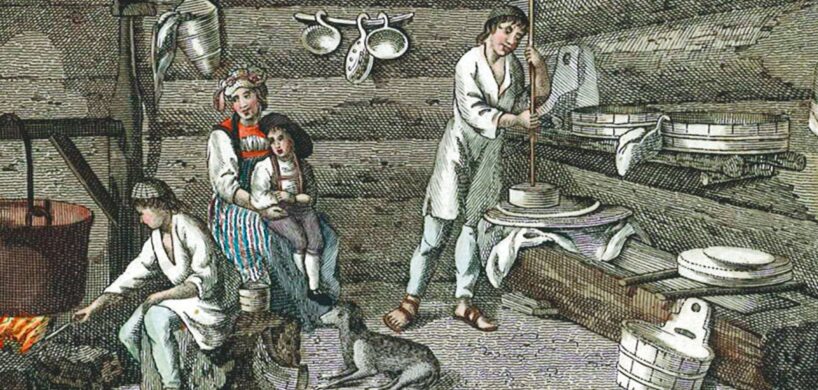
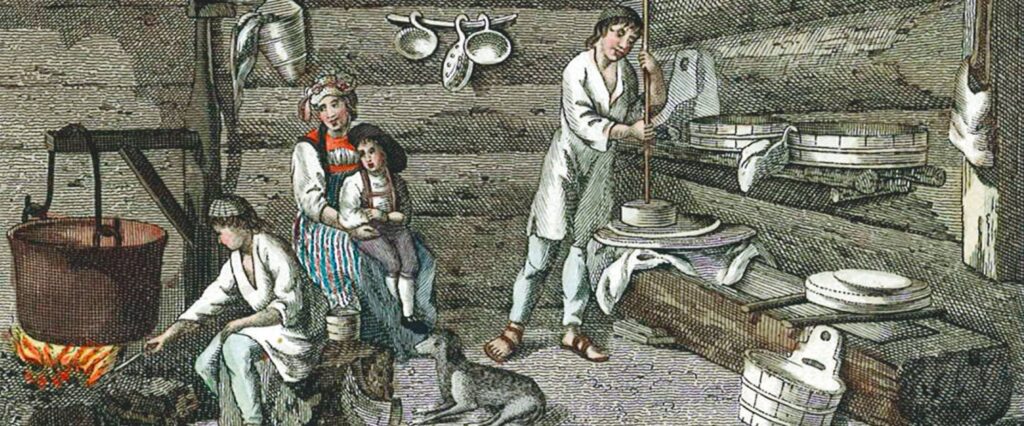
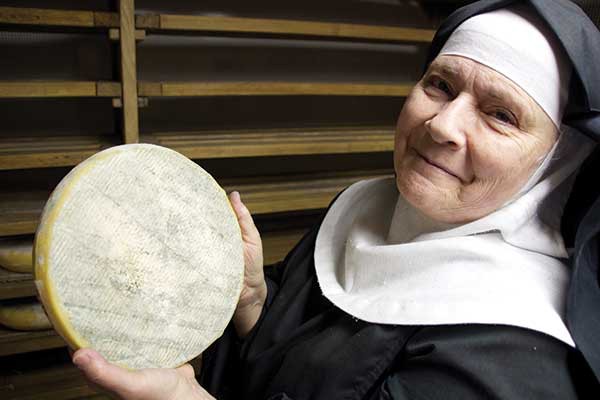
Under the Provost’s watchful eye, the monastery didn’t just produce cheese; it industrialized it for the era. He organized the local farmers, optimized the use of the high-altitude pastures for summer grazing, and established a booming cheese economy that would come to define the entire region. Back in those days cheesemaking was a woman’s job and these so called dairy maids were almost always the nuns of the monastery.
Cheese was the perfect medieval currency. It was nutritious, easily transportable, and lasted through the harsh alpine winters. The Provost effectively turned the Interlaken valley into a medieval dairy powerhouse. Monastic precision met Swiss agriculture, and the results were legendary.
A Town Blueprint Drawn by a Cheese Baron & Mountain named after dairy nuns
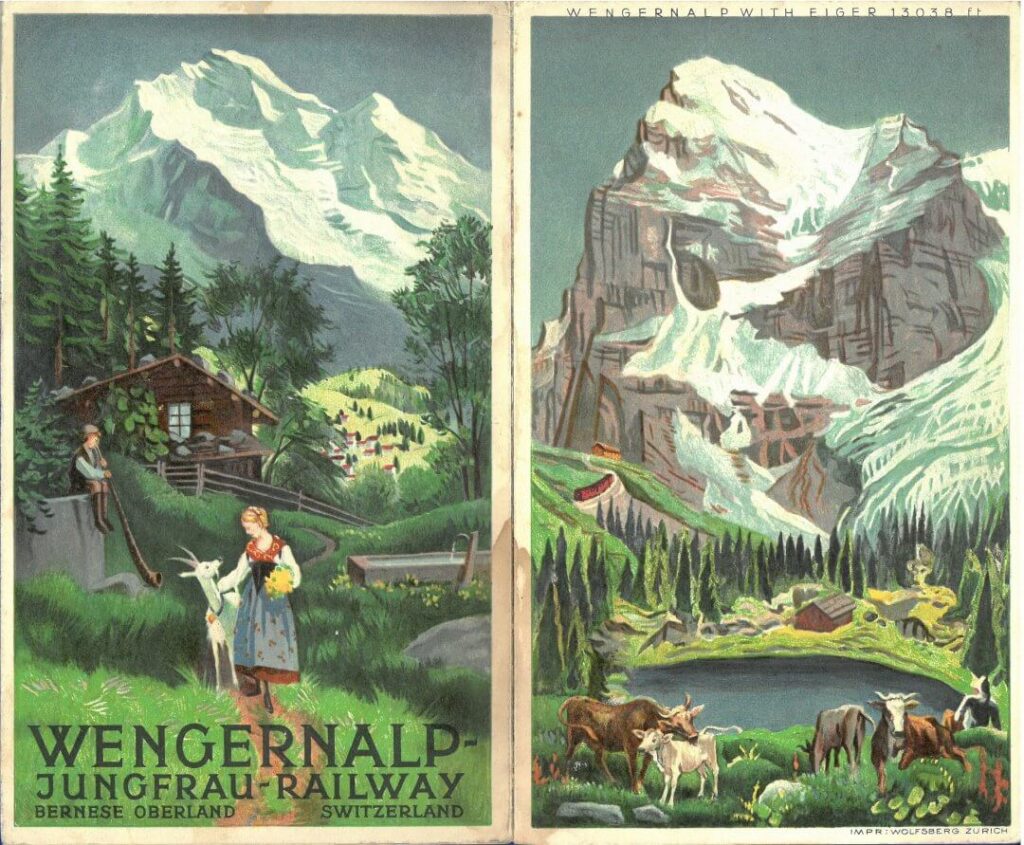
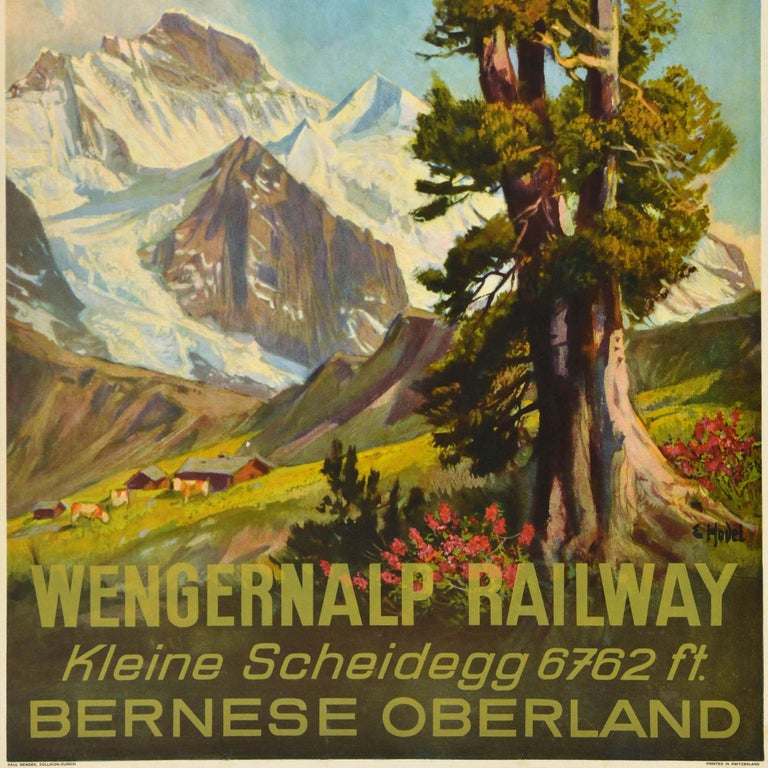
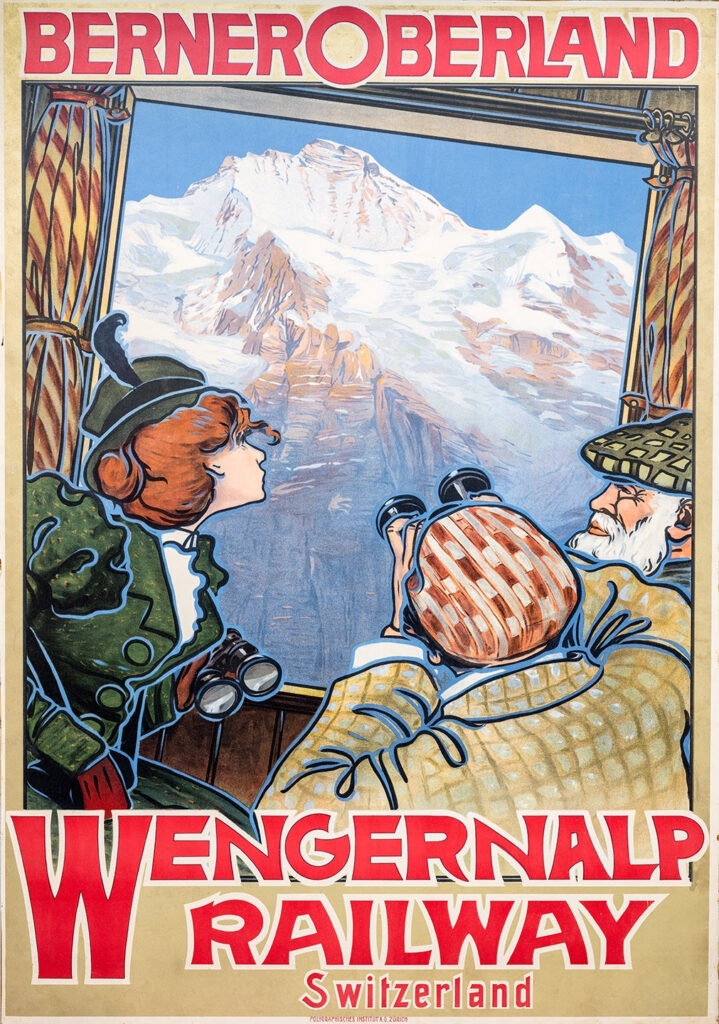
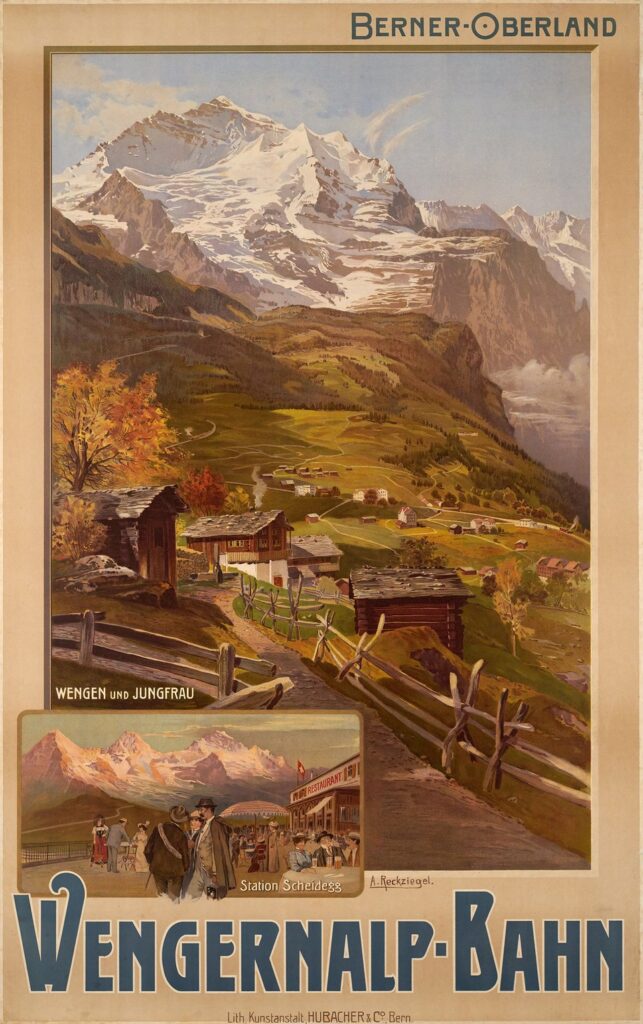
The Provost and nuns’ influence went far beyond the aging cellars. He was the architect of the valley. They ran the dairies on the alpine meadows above Interlaken, with the Wengernalp – then an now – still being the most significant Alp in the region. This meadow operated by ‘Jungfrauen’ – or maiden virgin nuns – became known as the ‘Jungfrauenberg‘, literally the Virgin Mountain. Eventually the name got used for both the meadow and the opposing & imposing mountain in which shadow it lay: The Jungfrau. So as you see even the most famous mountain of Switzerland got named after a cheese operation!
If you take a stroll through Interlaken today, you are quite literally walking in his footsteps. The entire layout of the modern town—the placement of the core streets, the agricultural zones, and the pathways leading up to the mountain pastures—still follows the original blueprint he drew up in the 12th century. He designed a town that flowed logically around the monastery and its dairy production.
Every time you wander through Interlaken, you are navigating a map designed by a man who made sure the cheese could get from the mountains to the market as efficiently as possible.
From the Cloister to the Fondue Pot
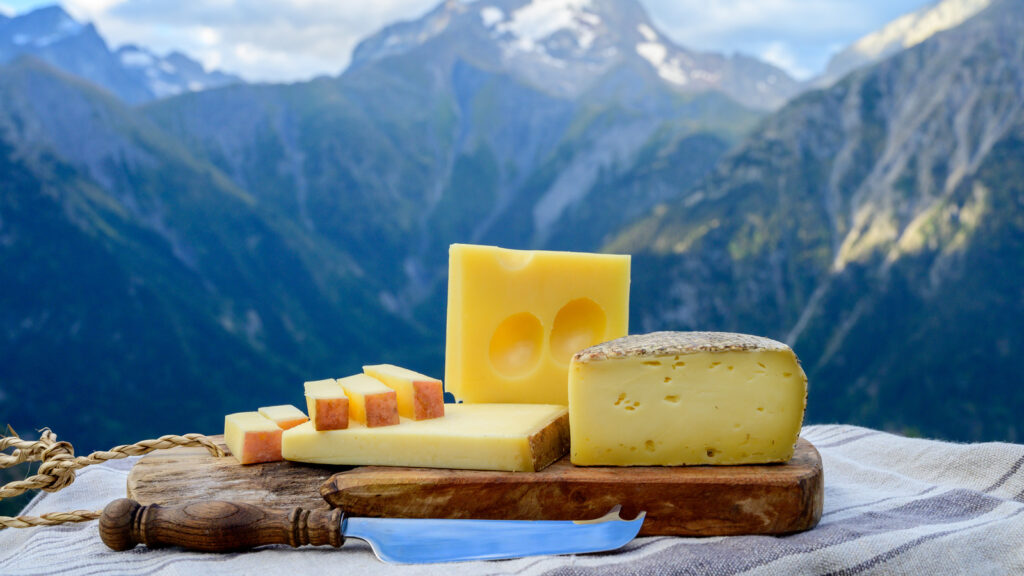
The Augustinian monks may be gone, but the Cheese Baron’s legacy is alive and well in every wheel of Alpine cheese produced in the valley today. The dairy culture he championed over 800 years ago laid the foundation for Switzerland’s most beloved culinary tradition.
It’s no coincidence that Interlaken is home to some of the best melted cheese experiences in the world. We are quite literally sitting on an economy—and a town grid—built by a cheese visionary.
So, the next time you find yourself dipping a piece of crusty bread into a rich, bubbling pot of liquid gold at the Fondue Villa, raise your fork to the Provost and dairying cheese nuns. Without the 12th-century monk-prince who saw the dairy potential of this beautiful valley, that perfect bite of fondue wouldn’t be possible. And the Jungfrau mountain would not have gotten its cheesy name!
Ready to taste the legacy? Join us at the Fondue Villa in Interlaken and experience the rich, melted history of the Cheese Baron’s valley for yourself.